Sheet vs. Clay vs. Gel Masks: Which One Should You Choose?

Sheet vs. Clay vs. Gel Masks: Which One Should You Choose?
Masks are one of the best-selling items in Taiwan's skincare market, but many first-time mask developers don't know which type to choose. Sheet masks, clay masks, and gel masks differ greatly in cost, manufacturing process, and consumer usage habits. Choosing the wrong type may result in poor sales.
Sheet Masks: Market Mainstream but Highly Competitive
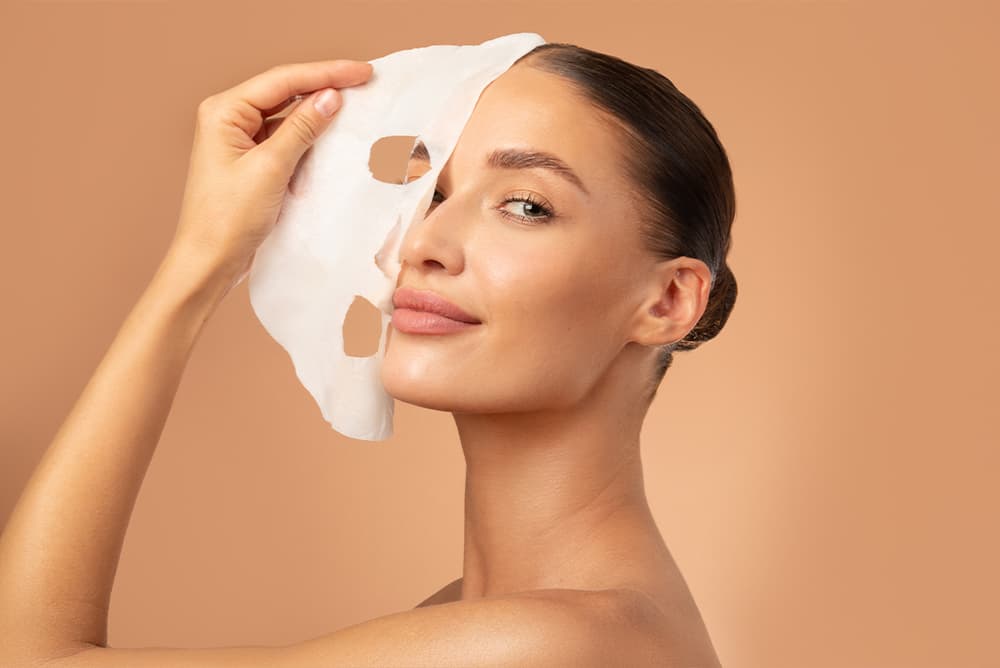
Sheet masks are made by soaking non-woven or bio-fiber fabric in serum, which consumers leave on for 15-20 minutes before removing. This is the most familiar mask type in Taiwan, with a market share exceeding 60%.
Manufacturing focus: The formula is serum-like, usually water-based or light lotion. Key factors are serum content and fabric choice. Cheap non-woven fabrics tend to slip and have poor adhesion, while premium silk or bamboo charcoal fabrics increase cost by 30-50%.
Taiwan has mature sheet mask technology, with a complete supply chain from formulation to filling and packaging. Single-sheet fill volume is usually 20-25ml. Below 20ml, consumers feel too dry; above 25ml, it drips everywhere.
Timeline: From sampling to mass production, about 3-4 weeks. Special fabrics (like gold foil or silver-ion fabric) extend this to 5-6 weeks.
Best suited for: Quick market entry, mid-range budgets, highlighting hydration or brightening. Sheet masks are suitable for daily skincare with high repurchase rates.
Clay Masks: Strong Cleansing but Higher Usage Barrier
Clay masks mainly consist of kaolin, bentonite, volcanic mud, or similar mineral clays. Apply to the face for 10-15 minutes, then rinse. They target deep cleansing, oil control, and pore care.
Manufacturing focus: Powders must disperse evenly to avoid graininess. Formulation must balance post-wash freshness without over-drying; many clay masks add glycerin or ceramides to prevent tightness.
Packaging requirements: Soft tubes must be thick enough to avoid breaking when squeezed; jars offer better quality but higher cost, while thick tubes are a cost-effective alternative.
Timeline: Simple formulations can be sampled and tested in 2-3 weeks.
Best suited for: Brands targeting deep cleansing, oily or combination skin, and periodic skincare products. Clay masks aren't for daily use; repurchase cycles are longer but average order value can be high.
Gel Masks: Emerging Option with High Differentiation Potential
Gel masks are thick, jelly-like products that can be wiped off or rinsed after 15-20 minutes (both rinse-off and leave-on types exist).
Manufacturing focus: Thickened with carbomer or sodium hyaluronate. The formula must balance spreadability and anti-drip properties. Some brands produce carbonated gel masks, requiring specialized filling equipment to encapsulate CO₂ within the gel.
Gel masks offer strong visual appeal, allowing layered colors, pearl powder, or petals, making them highly Instagrammable.
Timeline: Standard gels take 2-3 weeks; carbonated or special versions take 4-6 weeks.
Best suited for: Brands aiming for differentiation, social media marketing, and younger consumers (ages 20-30). Gel masks can easily create buzz on Instagram or Xiaohongshu.
Packaging options: Single-use packs (like sheet masks) or multi-use jars. Single-use emphasizes freshness; jars offer more flexibility.
How Brands Should Choose: Fugeng's 3 Strategic Recommendations
If you are in the product planning stage, consider the following:
For repurchase rate and convenience: choose sheet masks.
Their fast-moving nature and established usage habits make them ideal. As long as the serum formula impresses, long-term brand loyalty is easy to build.
For professional salon feel or male market: choose clay masks.
Men tend to have oilier skin, so the demand for oil absorption and deep cleansing is higher than for brightening. Clay masks' refreshing cleansing effect is highly appealing to men.
For vegan, additive-free, or gentle repair positioning: choose gel masks.
Gel masks have simpler ingredients, making them ideal for consumers sensitive to alcohol or fragrance, helping to establish a safe and reliable brand image.
Hidden OEM Costs: Stability and Preservation
Masks, due to their high water content (sheet and gel masks) or mineral content (clay masks), present microbial control challenges in OEM production. Fugeng Biotech operates international GMP-standard cleanrooms and conducts rigorous testing from raw material inspection to final product stability tests (stability and heat resistance), ensuring every sheet or jar delivered to consumers is safe and effective.